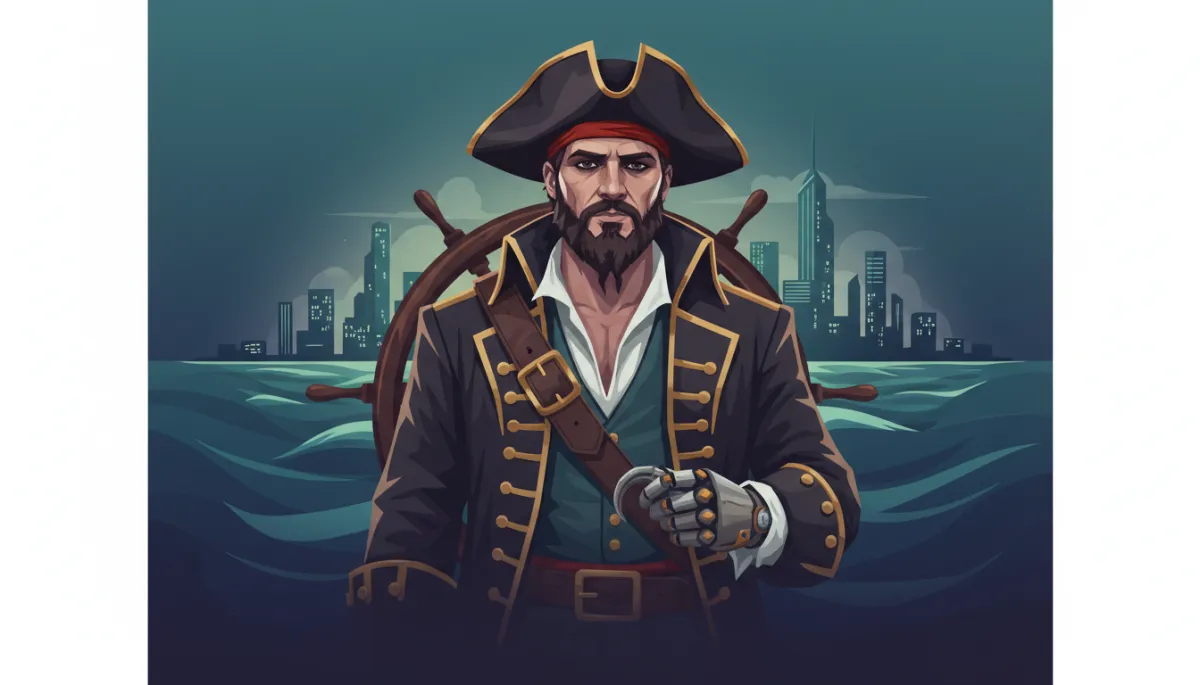
Modern Pirate Leadership: Captain Jack's Challenges
Leadership, Workplace Challenges
Captain Jack’s Log: The Quiet Woes of a Modern Pirate Leader
I’m Jack, captain of the storm‑battered brigantine Wayward Star. To most people, piracy sounds like endless treasure, roaring adventure, and the occasional dramatic sword fight. In reality, my days look a lot more like yours: back‑to‑back problems, people management, and difficult decisions made with incomplete information—just with more salt in the air and fewer HR policies.
The Myth of Freedom vs. the Reality of Responsibility
Outsiders imagine a pirate’s life as pure freedom—no bosses, no rules, just open water. The truth? I answer to something harsher than any board of directors: the sea, the weather, and the fragile morale of a crew that can turn on me if I misjudge either. Every sunrise brings a new set of variables—wind, supplies, rival ships, shifting alliances—and I’m expected to make the right call with limited time and even less certainty.
My crew believes I chart the course. In reality, I negotiate with chaos. One wrong decision doesn’t just dent quarterly results; it can cost lives. That weight sits on my shoulders from the first shout of the lookout to the last lantern snuffed at night. Freedom, it turns out, is expensive when you’re the one responsible for everyone else’s survival.
Managing a Crew: The Human Side of Piracy
A pirate crew is a floating cross‑section of humanity: former sailors, desperate farmers, runaways, and a few idealists who believed the stories. They bring different skills, tempers, and expectations. My daily work involves less swordplay and more conflict resolution, coaching, and performance management—though we don’t call it that on deck.
I balance the seasoned old hands, who resist any change, with the ambitious young deckhands, who want glory by sunset.
I translate our “strategy” into clear tasks: who trims the sails, who scouts the horizon, who negotiates when we reach port.
I monitor stress, fatigue, and quiet resentment long before they erupt into open mutiny.
We share the spoils, but we also share the risk. When storms keep us from prize ships for weeks, I’m the one who must stand in front of hungry faces and explain why patience today means survival tomorrow. The wo’s of a pirate captain are rarely about cannons; they’re about conversations no one wants to have, delivered to people who are tired, anxious, and armed.
Uncertainty, Risk, and the Cost of Every Decision
Each day begins with a question: do we chase opportunity, or protect what we already have? A sail on the horizon could mean a rich merchant vessel or a naval frigate waiting to hang us. Charts are outdated, rumors are unreliable, and the weather ignores our deadlines. Yet my crew expects clarity when I call, “Hard to starboard” or “Hold this course.”
The challenge isn’t just making a decision; it’s owning it. If we risk an attack and win, the crew cheers. If we misjudge and limp away with torn sails and empty hands, I carry the blame. There’s no anonymous committee at sea—only the captain at the wheel, visible to everyone when things go wrong. The wo’s of piracy are, at their core, the wo’s of leadership under relentless uncertainty.
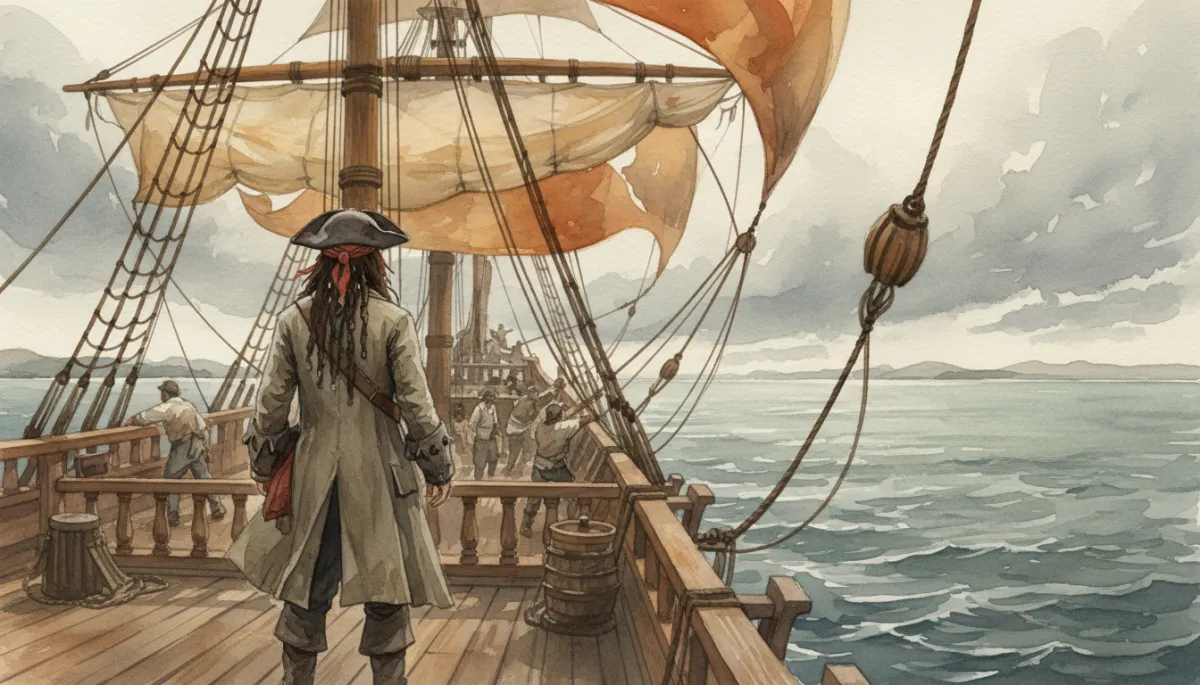
Behind every bold decision is a crew that must live with its outcome.
Ethics on the Edge of the Map
People assume pirates live without principles. In truth, a ship without a clear code is a ship that tears itself apart. My code is simple: we take from those who can afford to lose, we spare those who cannot, and we treat prisoners with a rough kind of dignity. But the line between necessity and cruelty blurs when supplies run low and the horizon stays empty.
Every day brings ethical choices wrapped in practical constraints. Do we raid the smaller, poorly guarded ship that barely keeps its own crew fed, or risk a stronger target that could destroy us? Do we honor a shaky alliance with another captain or break it to seize a rare opportunity? The wo’s here are quiet, internal: the knowledge that survival sometimes asks questions of your values that you’d rather not answer.
Loneliness at the Top of the Mast
For all the noise of the deck, leadership at sea is profoundly lonely. I can’t fully share my doubts with the crew; uncertainty spreads faster than scurvy. I listen to their fears, but mine stay mostly locked behind a calm expression and a steady hand on the compass. The captain’s cabin is quiet not because there’s nothing to think about, but because there’s too much.
Some nights, with the ship creaking gently and the stars sharp above, I wonder what life would be if I’d stayed a simple deckhand—fewer decisions, fewer sleepless dawns. But then I remember: someone has to stand at the wheel when the storm hits. Someone has to carry the wo’s so the others can do their work.
What Professionals Can Learn from a Pirate’s Day‑to‑Day
My world may be sails and saltwater, but the challenges will sound familiar to anyone steering a team, a project, or a business. The daily wo’s and challenges of being a pirate—balancing risk, managing people, holding a fragile culture together, making hard calls in uncertain conditions—are simply your office battles in rougher weather and louder winds.
Whatever your sea looks like—markets, clients, or internal politics—remember this: the legend is always simpler than the lived reality. Behind every “fearless” leader is someone quietly wrestling with doubt, responsibility, and the impact of each decision on those who trust them. That, more than treasure or tales, is the true cost of captaining a ship called work.
